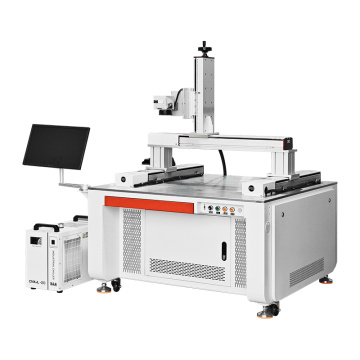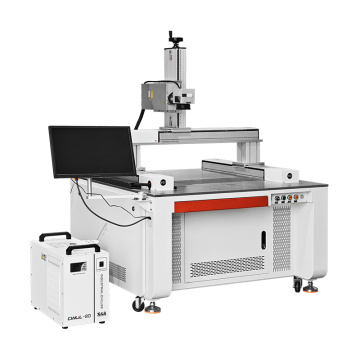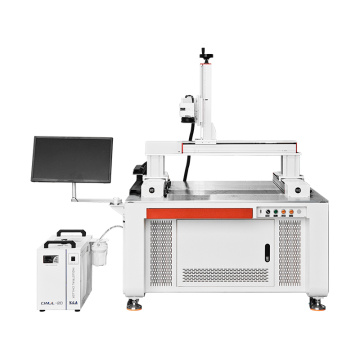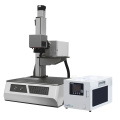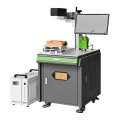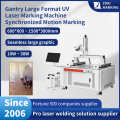
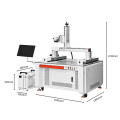
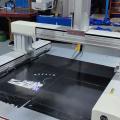
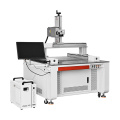
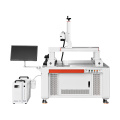

In the studios of art schools in Europe and America, one often sees pneumatic marking machines used for engraving instrument nameplates and glass trophies. However, the noise and limitations of templates frequently bring creative processes to a halt. This large-format gantry
UV Laser Marking Machine, however, redefines the boundaries of a "
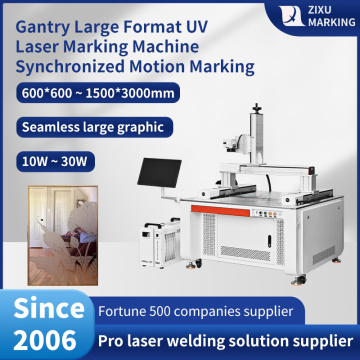
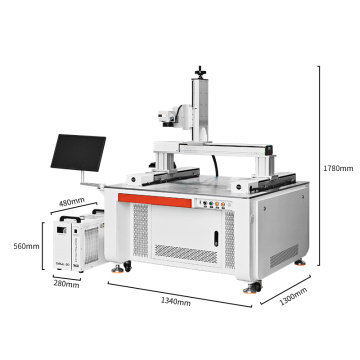
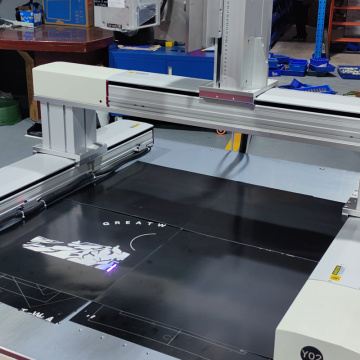
Marking Machine" with its JPT ultraviolet laser and next-generation control system. With a full-width field of view of 600×600 mm, it can etch an entire artwork into glass in a single pass without splicing. Even the subtle grayscale transitions of feather textures are precisely rendered under cold light. For the first time, the
Laser Marking Machine sheds its image as a "small-scale marking machine," becoming a creative platform capable of covering entire shop windows, stage decorations, and even interactive installations.
?
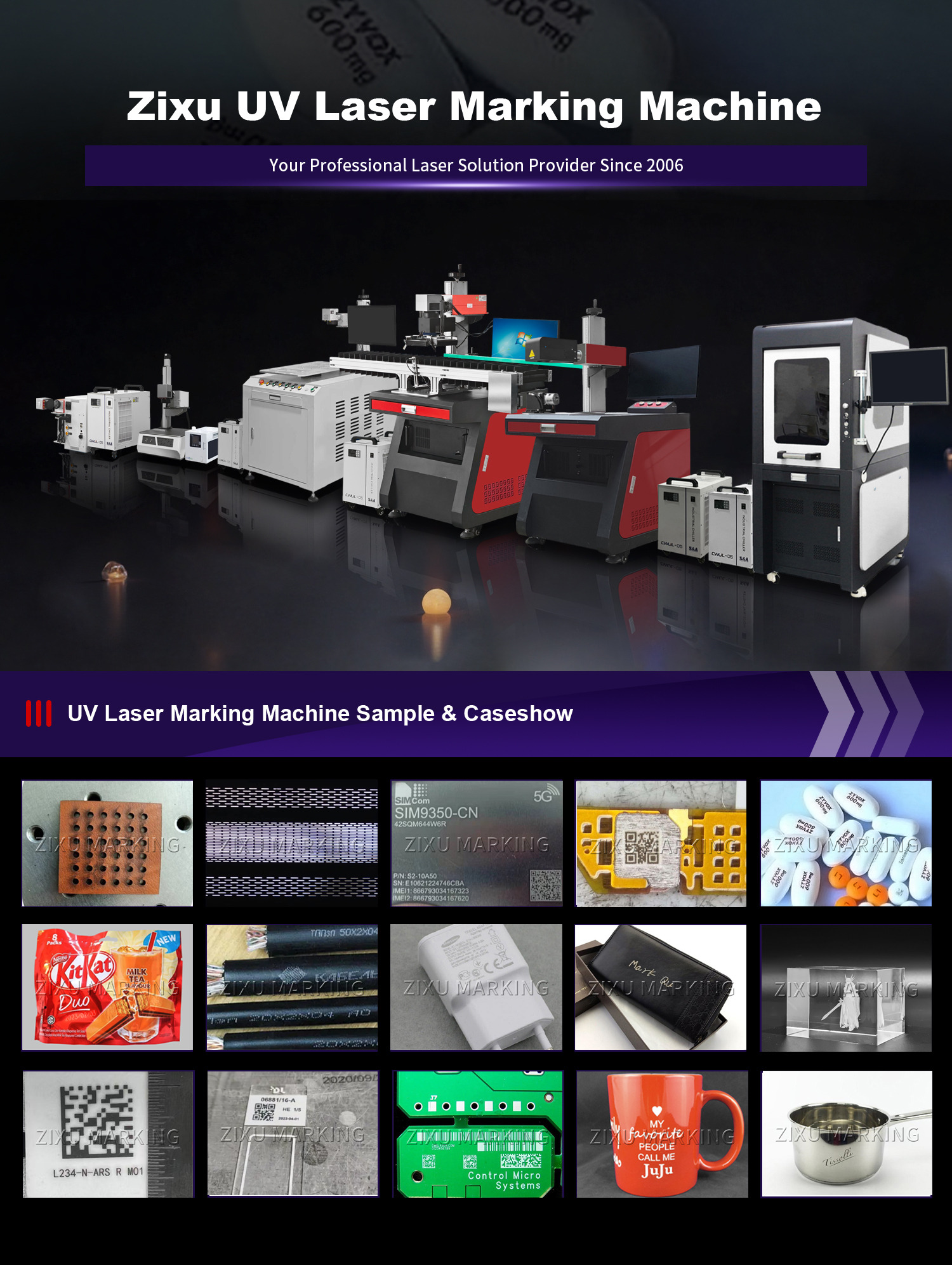
Compared to traditional pneumatic marking machines that can only leave monochrome indentations, this Laser Marking Machine upgrades "marking" to "light and shadow engraving": a high-speed servo dual-drive gantry structure moves synchronously, with the laser focused spot kept within 20 μm. Combined with a new generation control system's five-axis interpolation algorithm, it can achieve 0-256 levels of grayscale image quality even on 10 mm thick laminated art glass, without producing any micro-cracks or thermal stress. Therefore, this prestigious American art and music school chose it to leave composers' manuscript lines on the glass curtain wall at the concert hall entrance and to number the glass lids of century-old pianos in the instrument display room, meeting both museum-level preservation requirements and giving each piece its own "light signature."
?
If you're looking for a marking machine that lets you write your ideas directly into materials, this large-format gantry
Uv Laser Marking machine is the answer: it combines the industrial-grade durability of a
Pneumatic marking machine with the digital flexibility of a laser marking machine. It supports direct import of various graphics such as AI, DXF, and BMP, and can mark an area as large as an entire stage backdrop while still preserving hair-level detail. From art glass and acrylic to ceramic glaze, it can operate continuously within the entire 600×600 mm area with just one calibration, without splicing or secondary polishing, making "marking" more than just information encoding; it becomes an artistic expression of the artwork itself.