Communicate with Supplier? Supplier
cqchuke Mr. cqchuke
What can I do for you?
Contact Supplier
 Email:dorotao@cqzixu.com.cn
Home > Ceramic
Ceramic
Ceramic Application
As a material that is ubiquitous from high-tech industries to everyday life, ceramics have a wide range of applications in a variety of industries and in ways that go unnoticed by users. From vapor phase synthesis, 3D printing and sintering of ceramics to cutting, drilling and micro-structuring of precision ceramics, laser processing is now widely used. In contrast to this more sophisticated high-tech laser processing, we specialize in personalized and traceable laser marking and engraving on ceramic products or components.
The diverse appearances of ceramics

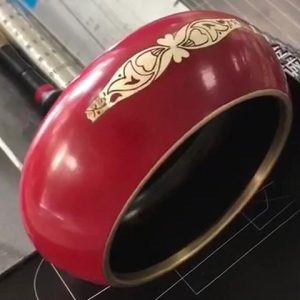
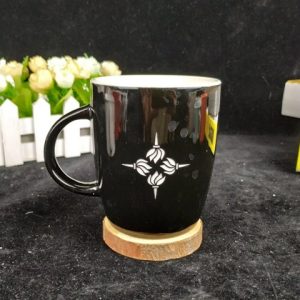
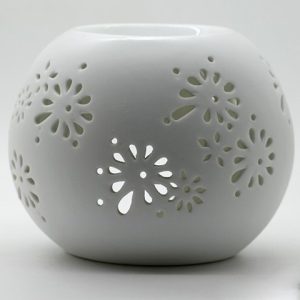
Glazed ceramics

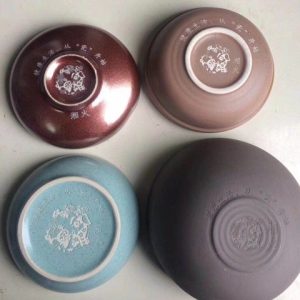
Unglazed ceramics

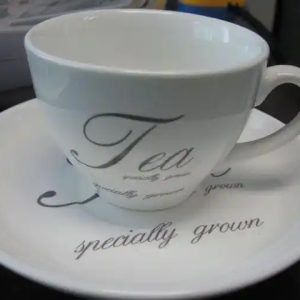
Bone china
Special ceramics

Glazed ceramics
?
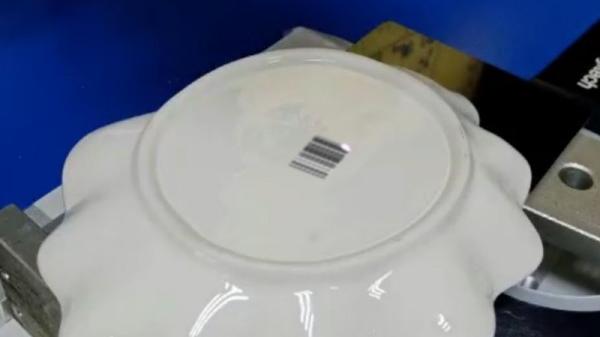
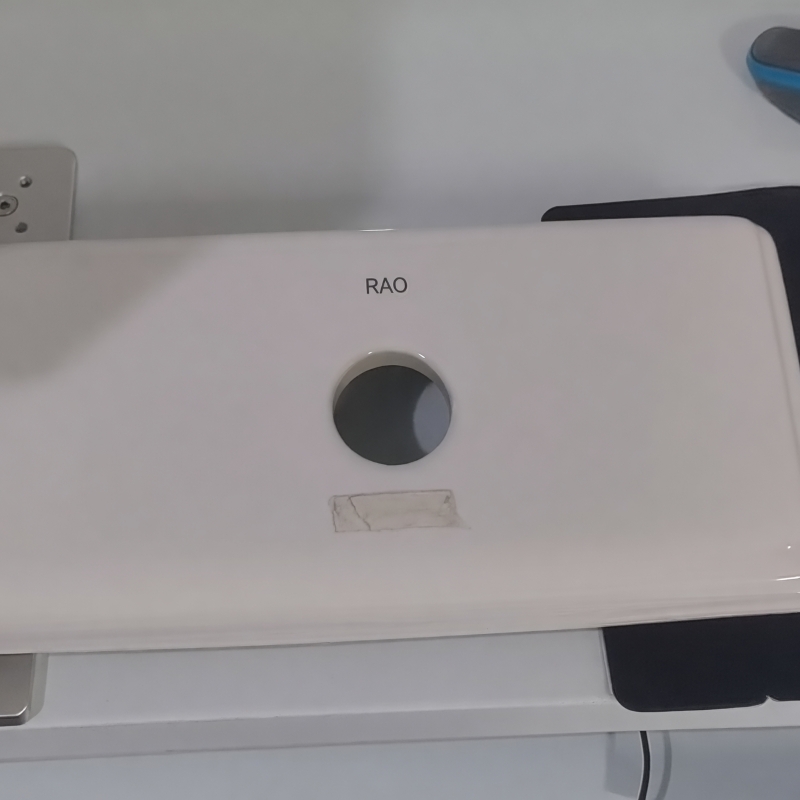
The surface is covered with a vitreous glaze, making it smooth as a mirror. This type of ceramic includes everyday tableware, sanitary ware, and decorative tiles. The glaze is not only aesthetically pleasing but also prevents liquid penetration, but it also presents a challenge for marking—the laser needs to leave a clear mark without damaging the glaze.
Unglazed ceramics
?
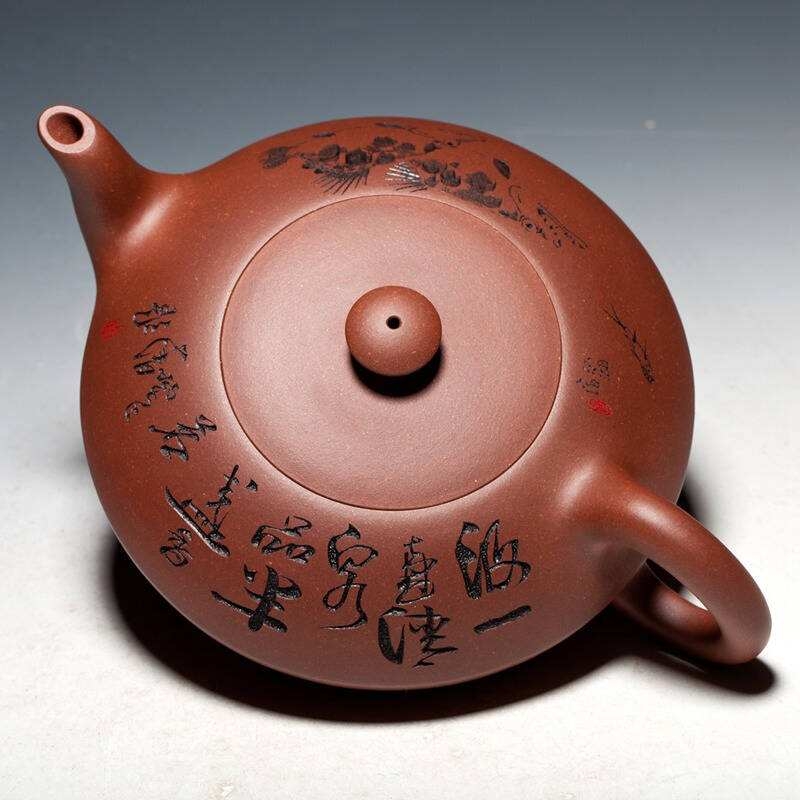
It retains the original texture of ceramics, such as Yixing teapots, coarse pottery flowerpots, and some industrial ceramics. Its porous structure makes it easier to absorb laser energy, but surface roughness may affect the clarity of the markings.
Bone china
?
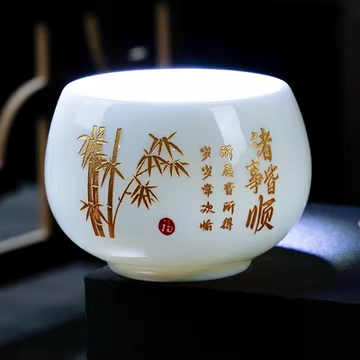
Made by adding animal bone powder to porcelain clay, it is lightweight, translucent, and belongs to the category of high-end tableware materials. Its special composition has specific requirements for the selection of laser wavelength.
Special ceramics
?
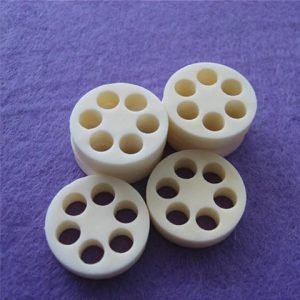
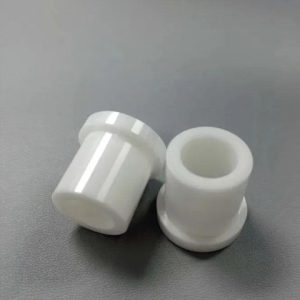
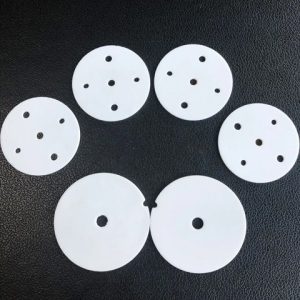
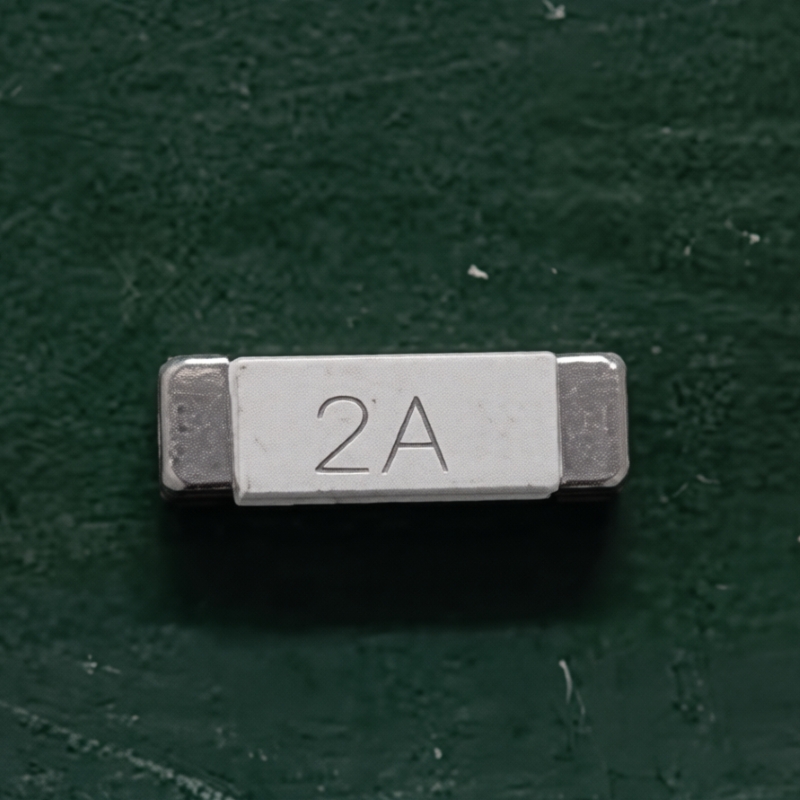
Alumina ceramics: used in wear-resistant bushings and electronic packaging substrates.Silicon nitride ceramics: used in bearings and cutting tools.
Zirconium oxide ceramics: biocompatible, used in dental restorations and artificial joints.
Silicon carbide ceramics: used in extreme environments, such as spacecraft thermal protection systems.

These specialty ceramics typically possess high hardness, high temperature resistance, corrosion resistance, and unique electrical properties, playing an irreplaceable role in industrial and technological fields.

Ceramic Laser Samples

Applications of ceramics
  • Industrial sector
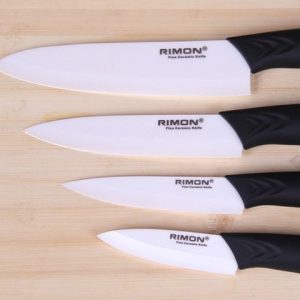
    Wear-resistant bushings protect machinery from wear; electronic packaging ceramics provide insulation and heat dissipation for chips; ceramic cutting tools stay sharp for longer; ceramic bearings operate stably in high-temperature, unlubricated environments.
  • Daily life
    Tableware, tea sets, decorative ornaments, bathroom products, building tiles—ceramics are integrated into our living spaces in various forms.
  • High-tech applications
    Ceramics are driving the development of cutting-edge technologies, from electrolyte layers in fuel cells and reaction chamber linings in semiconductor manufacturing to implants in medical devices and thermal protection tiles for aerospace vehicles.
Laser marking method
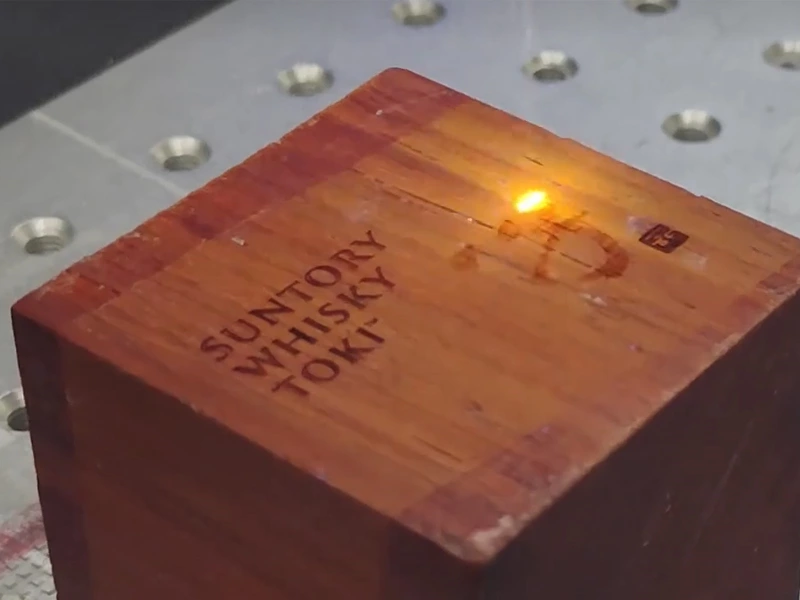
Fiber laser direct marking and engraving
This is the most common and direct marking method. Near-infrared laser light (typically 1064nm wavelength) emitted by a fiber laser is absorbed by the ceramic surface, forming a mark through the following mechanism:

For dark-colored and special ceramics: The laser energy instantly vaporizes the material surface, forming tiny pits. The pattern is then "engraved" by controlling the laser path. This method provides a strong mark but may slightly alter the surface texture.

For light-colored unglazed ceramics: The localized high temperature generated by the laser changes the ceramic composition, resulting in a darker mark, typically gray or brown.

Application examples: Marking product batch numbers on alumina electronic packages, engraving brand logos on ceramic cutting tools, and adding tracking codes to industrial ceramic parts.
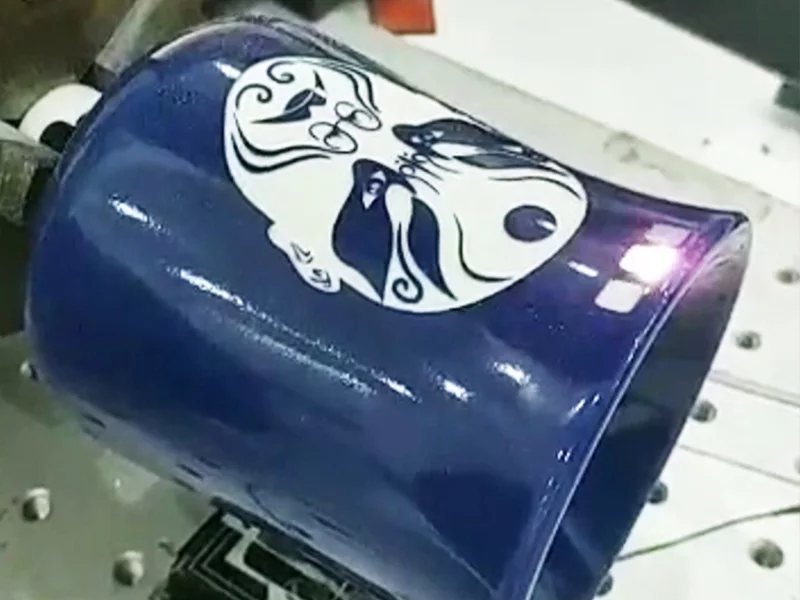
Fiber laser + decal target coloring and marking
This method is specifically designed for smooth surfaces such as glazed ceramics and bone china, cleverly solving the problem of direct marking on glazed surfaces: First, a special decal target (containing metal oxides) is applied to the ceramic surface.

A laser beam penetrates the decal and acts on the ceramic surface.

The laser energy causes the metal oxides in the target to react with the glaze.

After removing the decal, a permanent colored pattern is left under the glaze.

Technical advantages: It can create vivid colors (such as black, gold, and blue) on white or light-colored glazes, with high pattern precision, without damaging the integrity of the glaze.

Application examples: Personalized tableware, commemorative porcelain plates, high-end bathroom product decorations, and artistic ceramic creations.
Ultraviolet laser directly blackens
Ultraviolet lasers (typically with a wavelength of 355nm) have opened up new possibilities in ceramic marking due to their "cold processing" characteristics:

Working Principle: Ultraviolet laser photons have high energy, which can directly break the chemical bonds in ceramic materials, causing changes in the surface microstructure. For many light-colored ceramics, this change leads to increased light scattering, making the treated area appear darker.

Technical Features:
Minimum heat-affected zone, preventing cracks or thermal stress.
Able to form high-contrast black marks on almost all ceramic surfaces.
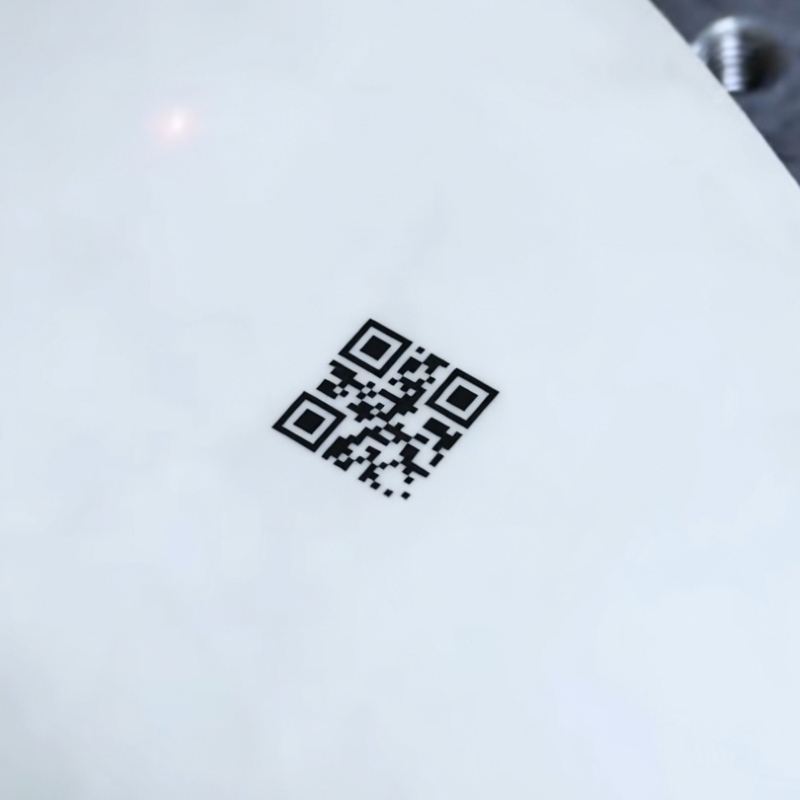
Extremely high resolution, suitable for fine text and QR codes.
Application Examples: Permanent marking of medical ceramic devices, precision marking of ceramic substrates for electronic components, and fine decoration of high-end ceramic dials.
The Practical Value of Laser Marking in the Ceramic Industry
  • Product Traceability
    Marking QR codes on electronic ceramic substrates enables end-to-end tracking from raw materials to finished products.
  • Brand Anti-counterfeiting
    Unique laser marking features help consumers identify genuine ceramic products.
  • Personalization
    Laser marking makes small-batch customization economically feasible for wedding anniversary tableware, corporate gifts, and personalized daily necessities.
  • Functional Marking
    Marking dimensions and models on medical ceramic implants ensures surgical precision; marking installation orientation on industrial ceramic parts prevents assembly errors.
  • Artistic Creation
    Ceramic artists utilize laser marking technology to achieve precision and complex patterns unattainable with traditional hand-painting.
  • Future Outlook
    The Infinite Possibilities of Lasers and Ceramics.

Technology Selection Guide: How to Match the Right Laser Marking Method for Ceramic Products?

Ceramic Type | Recommended Marking Method | Marking Effect | Main Application
1
Glazed Ceramics: Fiber Laser + Decorative Paper | Colored Patterns, High Contrast | Tableware, Decorative Porcelain, Bathroom Products
2
Unglazed Ceramics: Direct Fiber Laser | Gray/Brown Engraving Effect | Purple Clay Teapots, Craft Ceramics, Industrial Parts
3
Bone China: UV Laser/Decal Method | Fine Black or Color Marking | High-End Tableware, Souvenirs
4
Alumina Ceramics: Direct Fiber Laser | White/Light Gray Engraving | Electronic Components, Wear-Resistant Parts
5
Zirconia Ceramics: UV Laser | High-Contrast Black Marking | Dental Restorations, Fashion Accessories
Please Leave Us A Message
We will contact you

Home

Phone

Skype

Inquiry